

Women’s History Month: Celebrating Community, Care, and Self-Advocacy

March is Women’s History Month in the USA, Australia and the UK.
For generations, women’s health has been treated as something private, isolating, and even shameful. We’ve been expected to endure discomfort quietly and only speak up once it becomes unbearable. Even then, many of us are met with a painkiller and instructions to “come back if it gets worse.”
Women’s History Month is a moment to honor progress, but it’s also a chance to be honest about where we still have work to do, especially when it comes to our health.
Sadly, the systems often remain difficult to access, slow to respond, and dismissive of women’s concerns. Much of medical research and clinical understanding is still rooted primarily in male biology, leaving gaps in how women’s symptoms are understood and treated.
This article is about changing that pattern.
Talk to other women about health and care
One of the most meaningful shifts happening now isn’t technological, it’s cultural. Women are talking to each other about their health without shame. We’re asking questions out loud like: Is this normal? Has this happened to you? What did your doctor say?
These conversations do something essential: they help us calibrate reality. When you keep your health concerns private, it’s easy to assume that you’re the problem. Sharing is the antidote to shame.
It also gives others the permission to demand more from their care. Community doesn’t replace medical care, but it can help us understand when to seek it, how to advocate for ourselves, and when something isn’t being taken seriously enough. Sometimes, hearing someone else name an experience helps us recognize patterns in ourselves.
Don’t wait for an emergency
Preventative care isn’t just about being proactive. If you’ve tried to book a doctor’s appointment recently, you already know that it’s hard to get an appointment. Primary care visits can be booked months out, specialists even longer.
That’s why preventative care matters more than ever. Scheduling annual checkups, screenings, and follow-ups ahead of time gives you:
More choice in providers and appointment times
Less stress around scheduling last-minute and disrupted priorities
A baseline your doctor can use to contextualize future visits, especially if something does come up
Preventative care helps safeguard against being caught unprepared, because life is known to happen and oftentimes when it’s least convenient. It’s also included in many health insurance plans and goes widely underutilized. Definitely check and see what is available. You may already be paying for something that you’re not using!
Virtual care is real care
Virtual care has opened digital doors. It’s a powerful tool to help maximize your time (hello not having to drive into the city and then find parking!) and not have to wait until something becomes emergent.
I grew up with two doctors at home, but I realize that not everyone has a fluency around what constitutes as totally appropriate to manage online versus what would be better handled in-person. Here’s a general guide:
Often appropriate for virtual care (non-emergency):
Uncomplicated UTIs
Mental health care (therapy, medication management)
Birth control consults and refills
Follow-ups and lab result reviews
Mild cold or flu symptoms
Skin issues (e.g. acne)
If symptoms are familiar, mild, and stable then virtual care is often a good first step! If something is new, worsening, or feels off, that’s a reason to push for in-person care. Bottom line: virtual care isn’t a downgrade. Knowing when to use it can save you critical time on the road to feeling better.
It’s also worth knowing that many health insurance plans include access to virtual care providers and sometimes at a lower cost than in-person visits or at no additional cost at all. Checking your plan’s benefits or member portal can help you understand what virtual care options are available to you.
When to speak up for yourself
Women are more likely to have their symptoms dismissed, minimized, or attributed to stress. Yes, even by female doctors! That reality makes preparation a form of protection.
Before appointments, write down your symptoms with timelines and note the questions you have for your doctor. I don’t know about you, but I find some medical settings can be stressful and providers are often hurried. Having notes helps me stay grounded so I can stick to my priorities and leave with clearer next steps.
During appointments it is absolutely appropriate to ask direct questions like:
“What would rule this out?”
“What’s the next step if this doesn’t improve?”
“Can you document that decision in my chart?”
Finally, remember that you can always ask for a second opinion, request a different provider, or leave a doctor who you don’t feel comfortable with. Advocating for yourself doesn’t make you difficult, it puts you in the best position to get the care you need and deserve.
This is what care on our terms looks like
Care doesn’t start and end in a hospital. It lives in conversations, shared experiences, and check-ins with the people you trust.
Women’s History Month is about protecting the future for all of us. Preventative care, thoughtful use of virtual care, and self-advocacy are all ways we can claim ownership over our health in systems that don’t always make it easy or equitable for us.
You deserve care that listens. You deserve care that respects your time. You deserve care before something is too painful to ignore.
If you take one thing from this, it’s to be open with your community. Talk with people you trust, even if it feels awkward, even if you don’t necessarily have the “perfect” words for what you’re experiencing just yet.
Being open might help someone recognize they’ve been dismissed and that it’s not just ok but encouraged to seek another opinion. It might nudge someone who needs to finally schedule a visit, ask a hard question, or advocate for themselves more confidently.
Care is collective and when we talk openly about our health and experiences, we can change systems and improve outcomes.
About the Author
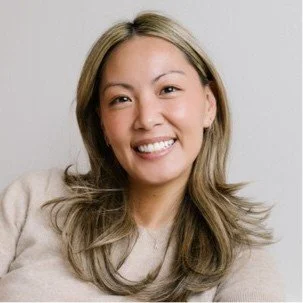
Claire King is a contributor from Onward Benefits, a platform redefining access to essential benefits for independent workers, freelancers, solopreneurs, and founders who don't have the safety net of traditional employment. Learn more at onwardbenefits.com.